Understanding Venous Insufficiency
What It Is, Why It Happens, and How It's Treated
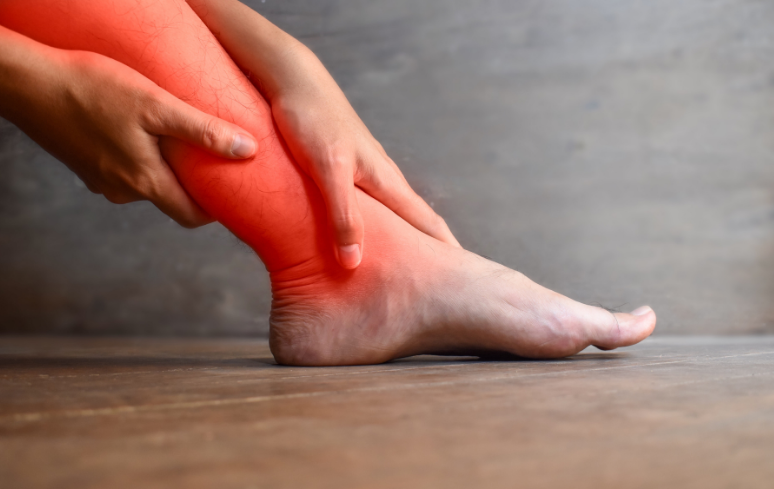
Venous insufficiency is a common vascular condition that occurs when the veins in your legs cannot effectively return blood back to the heart. Instead of flowing upward, blood pools in the legs—causing swelling, pain, discoloration, and in advanced cases, skin breakdown or venous ulcers.
Early treatment can prevent long-term complications and improve daily comfort and mobility.
What Causes Venous Insufficiency?
Healthy veins contain one-way valves that help push blood upward toward the heart. With venous insufficiency, these valves become weak or damaged, allowing blood to flow backward and pool in the legs—a condition known as venous reflux.
Common causes include:
Major Risk Factors
- Family history of vein disease
- Prolonged standing or sitting
- Pregnancy
- Aging
- Obesity
- Previous leg injury or surgery
- History of blood clots
Common Symptoms of Venous Insufficiency
Symptoms often worsen as the day goes on and improve with leg elevation.
Most Common Signs
- Leg swelling, especially around the ankles
- Aching, heaviness, or tired legs
- Visible varicose veins
- Skin discoloration (brown or reddish tone)
- Itching or burning sensations
- Restless legs
- Cramping at night
- Dry, irritated, or thinning skin
- Open sores or venous ulcers near the ankles
Without treatment, venous insufficiency can progress—leading to chronic swelling, skin changes, and painful ulcers that are slow to heal.
Why Venous Insufficiency Matters
Venous insufficiency is more than a cosmetic concern. It signals poor circulation and can significantly affect mobility, sleep, and quality of life.
Complications may include:
- Severe varicose veins
- Chronic leg swelling
- Skin thickening or hardening
- Venous stasis dermatitis
- Venous ulcers
- Increased risk of infection
How Venous Insufficiency Is Diagnosed
A vascular specialist may perform a physical exam and order a venous duplex ultrasound—an imaging test that shows blood flow, valve function, and vein structure.
Key Diagnostic Tools
- Venous Duplex Ultrasound: Evaluates blood flow and valve function.
- Reflux Testing: Measures how long blood pools in the veins.
- Clinical examination: Reviews swelling, skin condition, and symptoms.
Treatment Options for Venous Insufficiency
Treatment depends on the severity of your symptoms and how well your veins are functioning.
1. Lifestyle Changes
- Elevating your legs during the day
- Walking regularly to stimulate circulation
- Maintaining a healthy weight
- Avoiding long periods of sitting or standing
2. Compression Therapy
Medical-grade compression stockings help push blood upward, reduce swelling, and prevent symptoms from progressing.
3. Minimally Invasive Procedures
These outpatient procedures close off damaged veins and reroute blood into healthier ones.
- Endovenous Laser Therapy (EVLT): Uses heat to seal the faulty vein.
- Radiofrequency Ablation (RFA): Similar to EVLT but uses radiofrequency energy.
- Sclerotherapy: Medication injected into the vein to close it.
- Varithena® Foam Treatment: A specialized foam that collapses diseased veins.
- Microphlebectomy: Removal of varicose veins through tiny incisions.
4. Advanced Treatment
For severe cases, a vascular specialist may recommend more targeted procedures based on ultrasound findings.
Can Venous Insufficiency Be Prevented?
Yes—especially when caught early.
- Stay active and walk daily
- Wear compression stockings regularly
- Maintain a healthy weight
- Avoid prolonged sitting or standing
- Elevate your legs when possible
- Protect your skin from dryness and irritation
When Should You See a Vascular Specialist?
You should schedule an evaluation if you notice:
- Leg swelling or heaviness
- Visible varicose veins
- Skin discoloration or thickening
- Persistent itching or burning
- Restless legs, cramping, or discomfort
- Slow-healing wounds or ulcers
Take Control of Your Vein Health
Venous insufficiency is treatable—especially when diagnosed early. With modern, minimally invasive options, most patients experience rapid relief and long-term improvement.
Experiencing leg swelling, heaviness, or varicose veins?
Call our office at (713) 520-6875 or request an appointment online to schedule a vein evaluation.