Expert Vascular Care
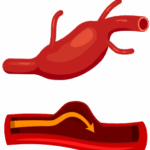
Complete vascular care for dialysis access management, peripheral artery disease (PAD), and venous insufficiency. Your circulation and your lifeline are our priority.
Surgical AV Fistula Creation
Traditional open surgery in which an artery is directly connected to a nearby vein, allowing the vein to enlarge and strengthen over time to provide durable, long-lasting dialysis access.
Read MoreEllipsys™ Endovascular AV Fistula Creation
Ultrasound-guided, single-catheter technique that fuses a nearby artery and vein through a tiny skin puncture, typically performed with local anesthesia and a quick return to normal activities.
Read MoreAV Graft Creation
Placement of a soft synthetic tube between an artery and a vein when native veins are not suitable, creating a reliable access site that can often be used sooner than a fistula.
Read MoreVein Mapping for Access Planning
Non-invasive ultrasound study of the veins and arteries that helps identify the best vessels and location for your dialysis access, supporting safer procedures and long-term vein preservation.
Read MoreThrombectomy (Blocked AV Fistulas & Grafts)
Procedure to quickly remove blood clots that block a fistula or graft, restoring blood flow and helping salvage the access so dialysis can continue on schedule.
Read MoreFistula Maturation Procedures
Targeted interventions such as balloon angioplasty or treatment of side branches to help slow-maturing fistulas reach adequate size and blood flow for safe dialysis use.
Read MoreSteal Syndrome Treatment / AVF Revision
Procedures that rebalance blood flow between the access and the hand to relieve pain, coldness, or numbness while preserving the fistula or graft whenever possible.
Read MoreFistula/Graft Imaging and Angioplasty
Ongoing imaging and balloon angioplasty to detect and treat recurrent narrowings early, supporting long-term performance and reliability of fistulas and grafts.
Read MoreAneurysm Resection and Repair
Surgical removal or reconstruction of bulging, weakened segments of a fistula or graft to reduce bleeding risk and improve safety, comfort, and appearance.
Read MoreAVF Superficialization / Transposition
Surgical procedures that bring a deep fistula closer to the skin or move it to a straighter, more accessible location, making needle placement easier and more reliable.
Read MoreCentral Venous Occlusion Treatment
Treatment of blocked or narrowed central veins—often caused by long-term catheter use—to restore blood flow and support successful dialysis through fistulas or grafts.
Read MoreDialysis Catheter Insertion
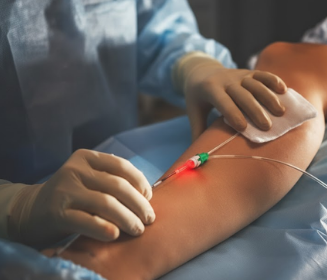
Placement of a tunneled dialysis catheter when urgent access is needed. The catheter allows immediate dialysis while a fistula or graft is healing or being created.
Read MoreDialysis Catheter Exchange & Management
Replacement or adjustment of malfunctioning catheters to improve flow, reduce infection risk, and maintain reliable access for ongoing dialysis treatments.
Read MoreDialysis Catheter Removal
Safe removal of catheters once a fistula or graft is ready for use, helping reduce infection risk and preserve long-term vein health.
Read MoreDialysis Access
From cutting-edge dialysis access creation to comprehensive vein and peripheral artery treatments, discover how we can help you achieve optimal vascular health.
Peripheral Artery Care
- Angiograms & Angioplasties (Peripheral)
Diagnosing and treating Peripheral Artery blockages to restore blood flow.
- Treatment for Peripheral Artery Disease (PAD)
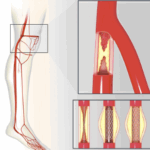
Diagnosing and treating blockages quickly and effectively by widening vessels.
-
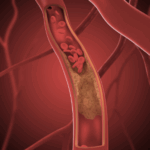
Atherectomy
(Plaque Removal)
We remove the plaque from the inside of the artery wall to restore better blood flow.